Origins
Batch 22 began in Rabinal, where we started working closely with small producers committed to quality and long-term growth. Through trust and word of mouth, friends and family from neighboring regions approached us, seeking to refine their processes and access new markets.
Guatemalan coffee is known for its clarity, structure, and depth.
At Batch 22, we work alongside producers to strengthen the practices that allow these distinctive profiles to be fully expressed — and experienced as they were meant to be.
Each coffee we offer reflects not only a place, but a relationship.
Explore the communities behind our origins.
Origins
Batch 22 began in Rabinal, where we started working closely with small producers committed to quality and long-term growth. Through trust and word of mouth, friends and family from neighboring regions approached us, seeking to refine their processes and access new markets.
Guatemalan coffee is known for its clarity, structure, and depth.
At Batch 22, we work alongside producers to strengthen the practices that allow these distinctive profiles to be fully expressed — and experienced as they were meant to be.
Each coffee we offer reflects not only a place, but a relationship.
Explore the communities behind our origins.
Origins
Batch 22 began in Rabinal, where we started working closely with small producers committed to quality and long-term growth. Through trust and word of mouth, friends and family from neighboring regions approached us, seeking to refine their processes and access new markets.
Guatemalan coffee is known for its clarity, structure, and depth.
At Batch 22, we work alongside producers to strengthen the practices that allow these distinctive profiles to be fully expressed — and experienced as they were meant to be.
Each coffee we offer reflects not only a place, but a relationship.
Explore the communities behind our origins.
Origins
Batch 22 began in Rabinal, where we started working closely with small producers committed to quality and long-term growth. Through trust and word of mouth, friends and family from neighboring regions approached us, seeking to refine their processes and access new markets.
Guatemalan coffee is known for its clarity, structure, and depth.
At Batch 22, we work alongside producers to strengthen the practices that allow these distinctive profiles to be fully expressed — and experienced as they were meant to be.
Each coffee we offer reflects not only a place, but a relationship.
Explore the communities behind our origins.
Coffee in Guatemala
Guatemala produces some of the most expressive coffees in the world. Its diverse growing regions, volcanic soils, and high elevations give rise to a remarkable range of profiles — elegant acidity, layered sweetness, and complex aromatics.
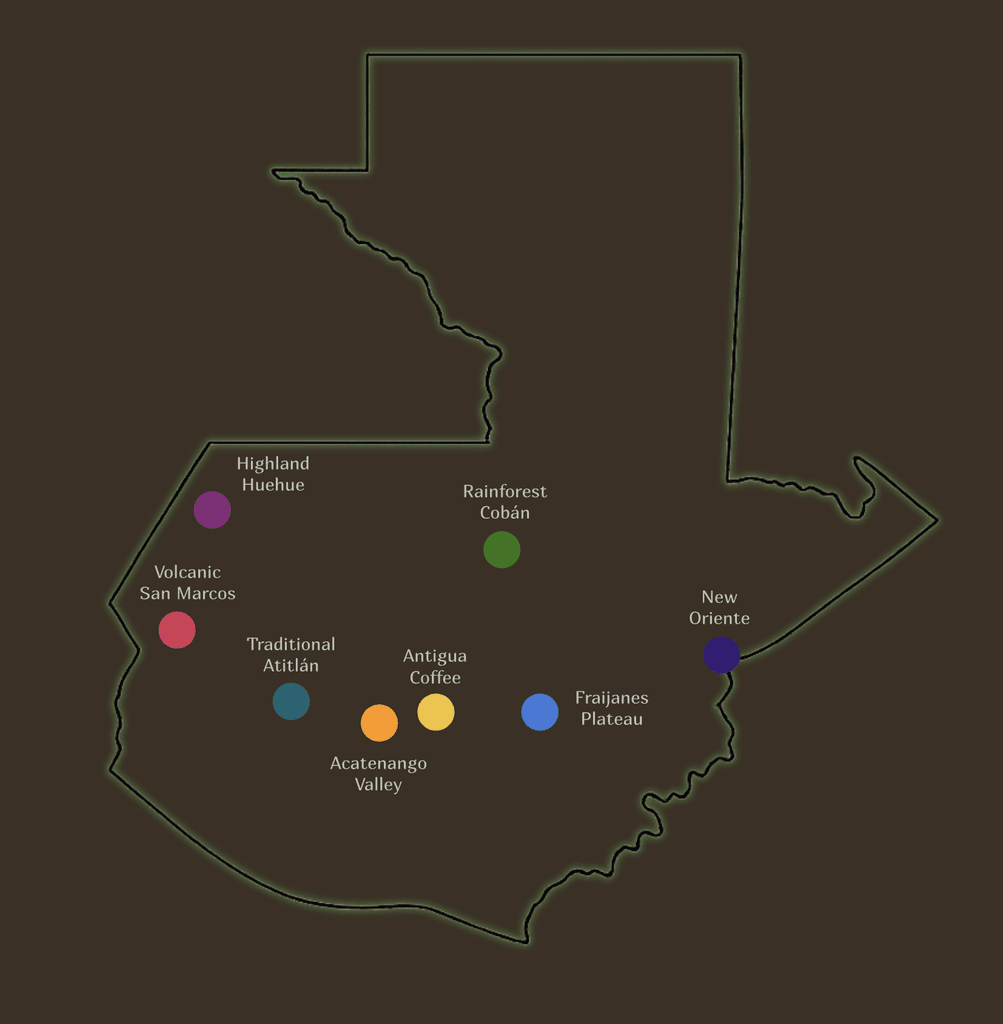
Because of this diversity, Guatemala is divided into eight distinct coffee regions, each characterized by its own climate, altitude, and cup personality. Rabinal is classified within the Coban Region. known for their citric acidity.
Here is a brief explanation of the 8 coffee regions and their profiles:
Antigua: Known for their structure and refinement. Volcanic soils and high elevations produce cups with bright acidity, velvety body, and layered notes of cocoa, spice, and gentle citrus, often finishing with clarity and balance.
Acatenango Valley: Lively and aromatic, often showcasing pronounced acidity and floral character. The cup can reveal citrus and fresh fruit tones with a clean, vibrant finish.
Atitlán: Grown in rich volcanic soils near Lake Atitlán, these coffees are often complex and textured. They tend to display bright acidity, full body, and layered fruit balanced by chocolate undertones.
Cobán: Cobán’s cool, misty rainforest climate slows cherry maturation, contributing to depth and structure in the cup. Coffees from this region often present balanced acidity, rich body, and notes of chocolate, spice, and subtle fruit.
Fraijanes: Crisp, vibrant coffees influenced by volcanic activity and altitude. The profile often highlights bright citrus acidity, floral nuances, and a structured cocoa finish.
Huehuetenango: One of the highest and driest growing regions, Huehuetenango is known for clarity and fruit expression. Coffees frequently exhibit lively acidity, stone fruit notes, caramel sweetness, and a silky texture.
Nuevo Oriente: Typically balanced and approachable. With moderate acidity and round body, they often show chocolate, nut, and soft fruit characteristics.
San Marcos: As the warmest region, San Marcos is known for early flowering and harvest. Coffees often feature delicate acidity, floral aromatics, and bright fruit notes in a lighter, expressive cup.
Coffee in Guatemala
Guatemala produces some of the most expressive coffees in the world. Its diverse growing regions, volcanic soils, and high elevations give rise to a remarkable range of profiles — elegant acidity, layered sweetness, and complex aromatics.
Because of this diversity, Guatemala is divided into eight distinct coffee regions, each characterized by its own climate, altitude, and cup personality. Rabinal is classified within the Coban Region. known for their citric acidity.
Here is a brief explanation of the 8 coffee regions and their profiles:
Antigua: Known for their structure and refinement. Volcanic soils and high elevations produce cups with bright acidity, velvety body, and layered notes of cocoa, spice, and gentle citrus, often finishing with clarity and balance.
Acatenango Valley: Lively and aromatic, often showcasing pronounced acidity and floral character. The cup can reveal citrus and fresh fruit tones with a clean, vibrant finish.
Atitlán: Grown in rich volcanic soils near Lake Atitlán, these coffees are often complex and textured. They tend to display bright acidity, full body, and layered fruit balanced by chocolate undertones.
Cobán: Cobán’s cool, misty rainforest climate slows cherry maturation, contributing to depth and structure in the cup. Coffees from this region often present balanced acidity, rich body, and notes of chocolate, spice, and subtle fruit.
Fraijanes: Crisp, vibrant coffees influenced by volcanic activity and altitude. The profile often highlights bright citrus acidity, floral nuances, and a structured cocoa finish.
Huehuetenango: One of the highest and driest growing regions, Huehuetenango is known for clarity and fruit expression. Coffees frequently exhibit lively acidity, stone fruit notes, caramel sweetness, and a silky texture.
Nuevo Oriente: Typically balanced and approachable. With moderate acidity and round body, they often show chocolate, nut, and soft fruit characteristics.
San Marcos: As the warmest region, San Marcos is known for early flowering and harvest. Coffees often feature delicate acidity, floral aromatics, and bright fruit notes in a lighter, expressive cup.
Local Origins
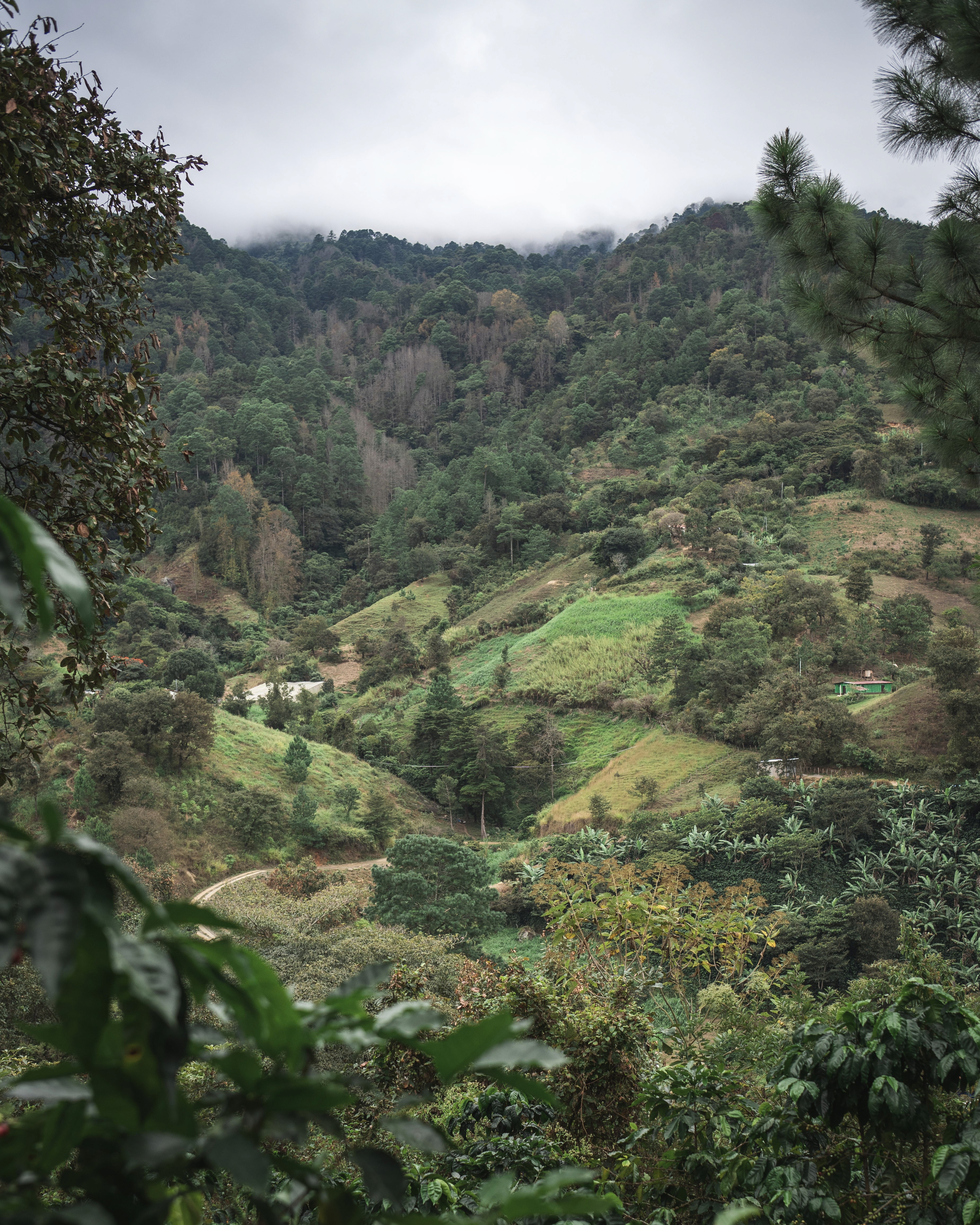
Our current lots are produced in Rabinal and Cubulco, in the department of Baja Verapaz. While geographically part of the broader Cobán coffee region, these communities are still emerging origins within Guatemala’s specialty landscape.
Today we work alongside more than 20 small producers. While not all of them yet have the quantities or profiles ready for export, we collaborate closely to refine practices, improve processing, and build the consistency needed to reach international markets.
With every lot and sample, we share the story of the producer behind it — along with a brief overview of their farm, their current harvest, and the practices we are developing together through Batch 22 to strengthen quality and opportunity over time.
Local Origins
Our current lots are produced in Rabinal and Cubulco, in the department of Baja Verapaz. While geographically part of the broader Cobán coffee region, these communities are still emerging origins within Guatemala’s specialty landscape.
Today we work alongside more than 20 small producers. While not all of them yet have the quantities or profiles ready for export, we collaborate closely to refine practices, improve processing, and build the consistency needed to reach international markets.
With every lot and sample, we share the story of the producer behind it — along with a brief overview of their farm, their current harvest, and the practices we are developing together through Batch 22 to strengthen quality and opportunity over time.